

 Lena
Lena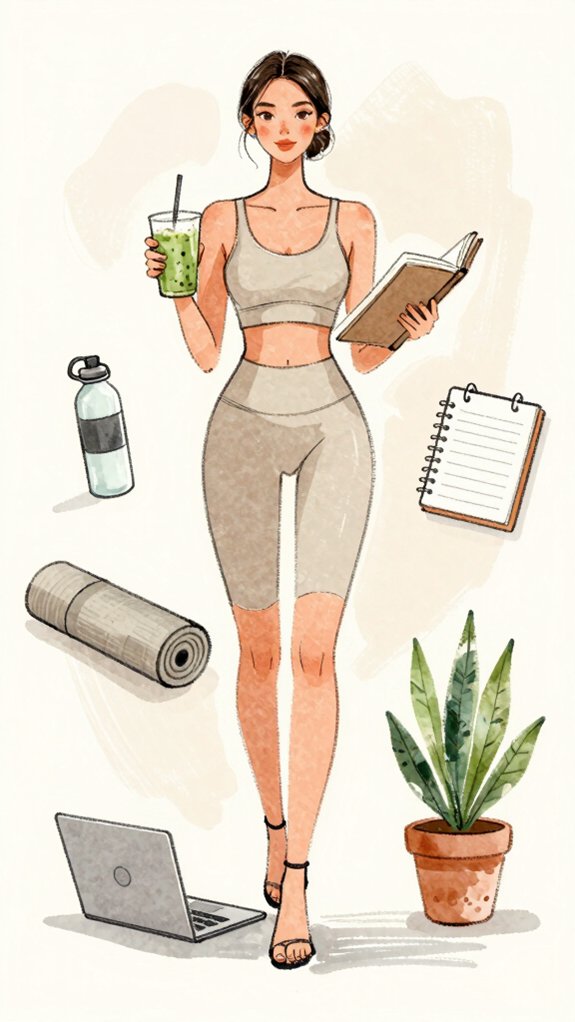
The “That Girl” aesthetic didn’t emerge from fashion week or a celebrity’s Instagram—it crystallized in 2021 from collective pandemic anxiety, when millions of people, stuck at home and spiraling, decided that color-coded planners and matching workout sets could somehow fix the chaos. Individuals have most likely encountered her: she’s productive, she’s hydrated, she’s everything you’re supposedly not at 6 AM on a Tuesday. But here’s what influencers won’t tell you about this supposedly aspirational lifestyle, and why its appeal reveals something darker about how we view self-worth.
Social Media Origins
The “That Girl” aesthetic exploded across TikTok and Instagram in late 2020 and early 2021, right when everyone was stuck at home scrolling through their phones, desperate for some semblance of control over their increasingly chaotic lives. You couldn’t escape the 5 AM wake-ups, the green smoothies, the perfectly made beds bathed in golden-hour lighting.
Creators like @thatgirldaily and @healthyhabits accumulated millions of views peddling this cultivated curation of productivity porn. The formula was simple: film yourself journaling with aesthetic stationery, do some pilates, sip matcha, repeat. This carefully curated content promised you could become “That Girl”—the idealized version of yourself who’s got everything together—if you just followed the right morning routine. While “That Girl” emphasizes productivity and wellness routines, other social media trends among Gen Z like the Coquette aesthetic focus instead on hyper-feminine fashion and romantic elegance.
Because nothing says pandemic coping mechanism like performing wellness for an algorithm.
Lifestyle Philosophy
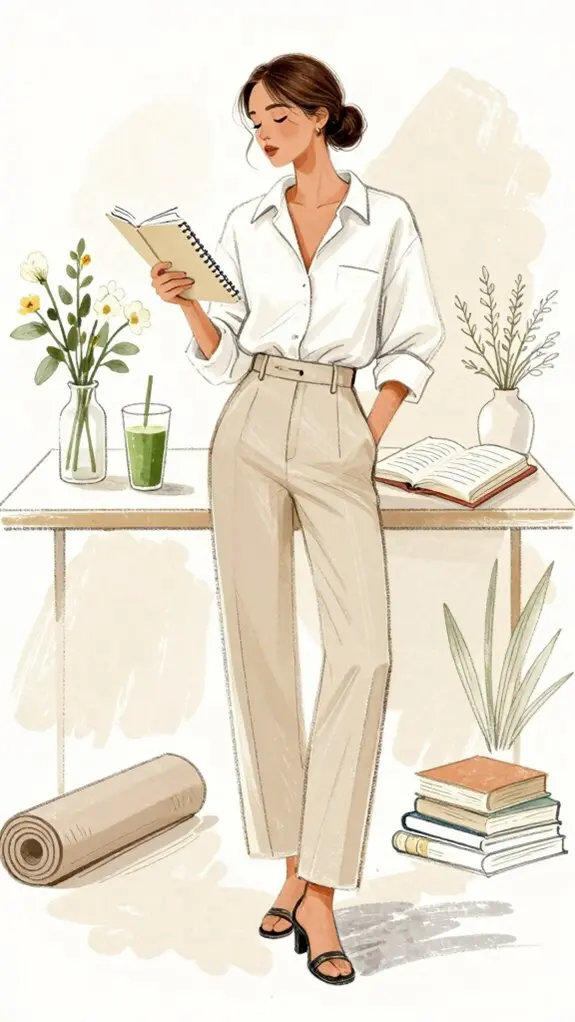
Beyond the aestheticized content and algorithm-friendly posts, “That Girl” operates on a deceptively simple philosophy: your life is a project, and you’re the CEO. This mindset transforms daily existence into a series of optimizable tasks, self-care routines, and productivity hacks that promise transformation through sheer willpower and a minimalist mindset.
You’re encouraged to wake at 5 AM, journal with intention, greenify your smoothies, and approach each day as another opportunity for self-improvement. It’s intentional living cranked to eleven, where every choice—from your reusable water bottle to your morning meditation app—becomes a referendum on your commitment to becoming your best self.
The philosophy sounds empowering until you realize you’ve fundamentally gamified your existence, turning rest into strategic recovery and hobbies into skill-building exercises for your personal brand. Even your wardrobe becomes part of the optimization project, with elevated athleisure looks that seamlessly transition from morning workout to coffee run to casual brunch.
Fashion Elements
Fashion Elements
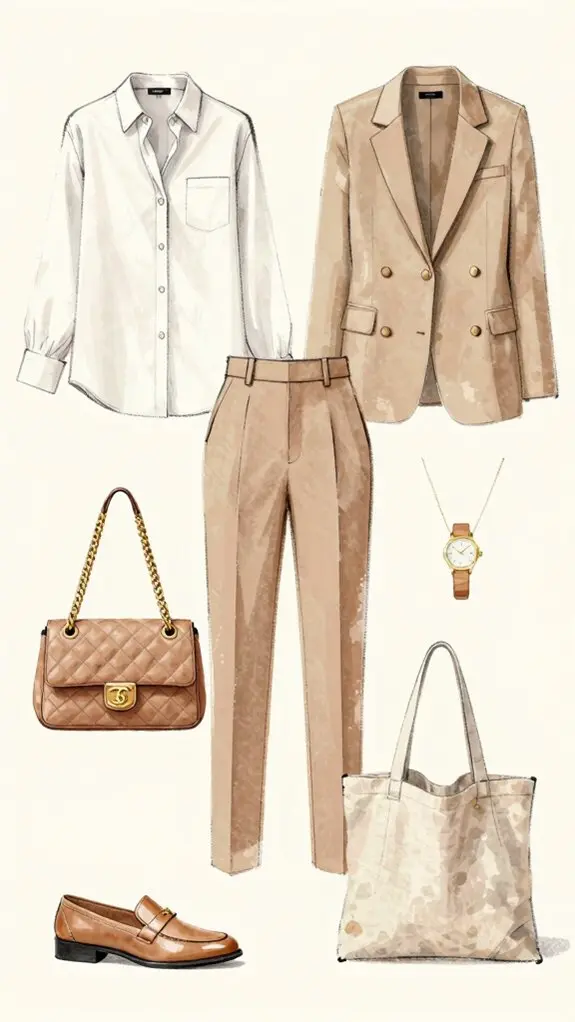
The “That Girl” wardrobe isn’t about stuffing your closet with fast fashion hauls—it’s built on polished basics in neutral tones that actually earn their hanger space. You’ll need quality pieces, the kind that cost more upfront but won’t pill after three washes, think well-cut blazers, crisp white button-downs, tailored trousers in beige and black, cashmere sweaters that last beyond a single season.
This aesthetic refuses the maximalist chaos of Y2K revivals or cottagecore’s ruffled excess, instead championing a capsule wardrobe philosophy where every item works with everything else, creating that effortlessly coordinated look that screams “I have my life together” whether you actually do or not. For versatile inspiration, explore smart casual work outfits that transition seamlessly from office hours to evening events while maintaining that polished, put-together aesthetic.
Polished basics
Building a “That Girl” wardrobe doesn’t require splurging on designer labels or cycling through fast fashion hauls—it’s about curating a collection of elevated basics that look intentional, not thrown together. Think crisp white button-downs, tailored trousers in neutral tones, cashmere sweaters that actually fit, and those annoyingly perfect straight-leg jeans that somehow work with everything.
These curated essentials form the backbone of elevated minimalism, the kind that whispers “I have my life together” without screaming desperation. You’re building a capsule wardrobe that functions like a choose-your-own-adventure book, except every ending involves you looking effortlessly composed.
The goal isn’t owning fifty pieces—it’s owning fifteen that work, fit properly, and don’t pill after three washes. Quality over quantity isn’t just a cliché here; it’s the entire philosophy.
Neutral tones
Beige, cream, taupe, oatmeal, sand, ivory—the “That Girl” color palette reads like a paint chip display at a Restoration Hardware, and that’s entirely the point. These simple colors telegraph sophistication without trying too hard, creating a visual whisper instead of a shout.
| What It Signals | What It Actually Means |
|---|---|
| Effortless elegance | Calculated minimalism |
| Natural simplicity | Expensive restraint |
| Timeless style | Instagram algorithm bait |
You’ll notice minimal accents here—maybe a gold watch, perhaps a delicate necklace. The neutral-on-neutral uniform functions as personal branding, a walking mood board that screams “I have my life together” while requiring zero creative risk. It’s fashion as meditation, or maybe just fashion as market research.
Quality pieces
Investing in “quality pieces” sounds like financial advice from your older sister who works in consulting, and that’s exactly the vibe That Girl cultivates—someone who’s made peace with spending $200 on a white button-down because it’s an “investment.” The logic goes something like this: buy fewer items, spend more per item, wear them forever, somehow save money in the long run through a math equation that never quite adds up when you’re staring at your credit card statement.
These elevated essentials supposedly form your capsule wardrobe:
- The perfect white tee (starts at $80)
- Cashmere anything (because cotton is for peasants)
- Designer leather goods with visible logos
- Minimalist jewelry that screams “I can afford restraint”
The elevated accents transform basic outfits into That Girl territory, assuming you’ve got deep pockets and deeper commitment to the aesthetic.
Daily Uniform

Every “That Girl” worth her matcha latte has mastered the art of the capsule wardrobe, that Instagram-famous collection of mix-and-match neutrals that supposedly eliminates decision fatigue while projecting an effortless elegance you definitely didn’t spend three hours curating the night before.
Your daily uniform becomes another checkbox in your personal rituals, as essential to your morning routine as journaling or yoga. Think minimal white tees, high-waisted jeans, beige trench coats, those chunky gold hoops everyone suddenly owns.
The formula’s simple: neutral base, one statement piece, sneakers or loafers depending on whether you’re performing “casual” or “polished.” It’s Marie Kondo meets Silicon Valley, where fewer choices supposedly spark more joy and productivity. Successful capsule wardrobes are built around 4-5 core colors that mix effortlessly, turning that curated simplicity into actual outfit math.
Does your wardrobe actually simplify life, or just signal you’ve decoded the algorithm?
Styling Approach
The genius of “That Girl” styling isn’t what you wear—it’s how you’ve learned to perform wearing it. This mindful minimalism demands you curate your wardrobe like a gallery exhibition, each piece justified through sustainable consumption narratives.
But here’s the uncomfortable truth: you’re not just getting dressed, you’re staging a lifestyle.
Your styling approach hinges on four calculated moves:
- Neutral palettes that photograph well under natural light
- Visible brand logos from “ethical” companies (Patagonia, Reformation, Girlfriend Collective)
- Athleisure that suggests you just finished yoga, even when you haven’t
- Accessories that double as productivity props—reusable water bottles, tote bags with literary references
The monochromatic matching sets in muted earth tones have become the uniform of choice, signaling quiet luxury while maintaining that essential “I woke up like this” energy.
You’ve mastered looking effortless while obsessing over every detail, haven’t you?
Frequently Asked Questions
How Much Does It Cost to Achieve the That Girl Aesthetic?
You’ll spend anywhere from $50 to $500 monthly, depending on your budget requirements and existing lifestyle expenses. The aesthetic demands matching workout sets ($30-80), green juice ingredients ($40-60 weekly), aesthetic planners ($15-30), silk pillowcases ($25-50), and those trendy glass water bottles everyone’s obsessed with.
If you’re starting from scratch, initial costs skyrocket—think yoga mat, ring light for morning routine videos, and an entire wardrobe refresh. It’s basically expensive minimalism, which feels contradictory but here we are.
Is the That Girl Aesthetic Realistic for Working Mothers?
You’re not Gwyneth Paltrow with a lifestyle brand and infinite childcare. Here’s the truth: the aesthetic’s *performative* perfection clashes with working motherhood’s chaos.
But you can adapt it. Focus on sustainable balance—maybe that’s a 5 AM workout three times weekly, not seven, meal-prepping Sunday evenings instead of elaborate daily rituals.
Strategic time management strategies matter more than Instagram-worthy aesthetics. Choose what serves your life, not someone else’s curated fantasy. Authenticity beats aspiration every time.
What Are Common Criticisms of the That Girl Trend?
Critics argue you’re being sold unrealistic expectations wrapped in pastel productivity planners. The trend perpetuates elitism—not everyone can afford $12 smoothies, boutique fitness classes, or the luxury of 5 AM journaling sessions. It’s fundamentally inaccessible, requiring disposable income, flexible schedules, and honestly, a certain body type that fits Instagram’s narrow beauty standards.
The aesthetic romanticizes hustle culture while pretending it’s self-care, which, let’s be real, is just capitalism in a linen dress.
How Long Does It Take to Adopt This Lifestyle?
Like building muscle memory at the gym, you’ll notice shifts within two to three weeks—but genuinely embodying the lifestyle takes months. Your morning routines won’t feel forced around the 30-day mark, though productivity hacks become second nature closer to 90 days.
Here’s the thing: you’re not adopting a costume, you’re rewiring habits, and that’s messy, nonlinear work. Some days you’ll nail it; others, you’ll sleep through your 5 AM alarm and that’s completely normal.
Can You Be That Girl Without Social Media Presence?
Absolutely. You can embody this aesthetic without posting a single mirror selfie or morning routine. The whole point is cultivating self-awareness and prioritizing intentionality in your actual life, not performing productivity for strangers online.
In fact, you’ll probably find more authenticity without the pressure to document everything. Focus on building real habits—journaling, exercising, organizing your space—that genuinely serve you, not an algorithm. Living well beats performing wellness every time.
Conclusion
You’ll curate your capsule wardrobe, optimize your morning routine, and transform yourself into an aspirational brand—all while calling it self-care. The “That Girl” aesthetic offers a beautifully packaged illusion: that purchasing the right linen trousers and waking before dawn will solve the messy reality of being human. But here’s the thing—you’re not a project requiring constant refinement. Sometimes good enough, wrinkled shirt and all, is actually perfect.
Have any thoughts?
Share your reaction or leave a quick response — we’d love to hear what you think!
-
 0
0 -
 0
0 -
 0
0 -
 0
0 -
 0
0 -
 0
0