

 Lena
Lena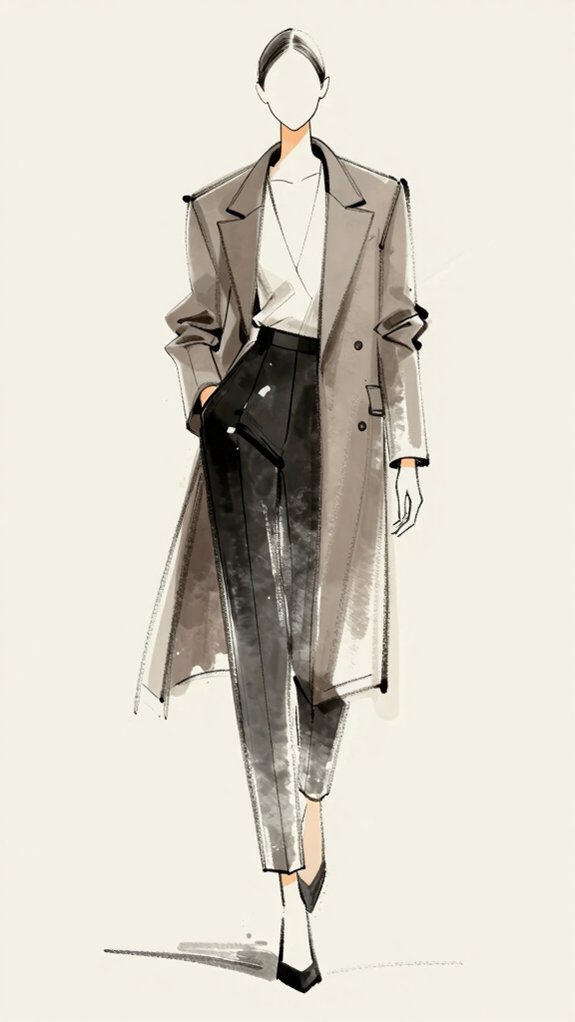
You’ve likely noticed how your apartment’s shrinking while your life’s expanding—that’s the urban paradox nobody cautioned you about. City living demands a radical edit, stripping away the excess until what remains actually earns its square footage. It’s not about deprivation or those sterile Instagram apartments that look uninhabitable; it’s strategic curation, choosing pieces that work overtime. The question isn’t whether you can afford more stuff, but whether you can afford the space it occupies, the mental clutter it creates, and the hours you’ll spend managing it all.
Metropolitan Influence
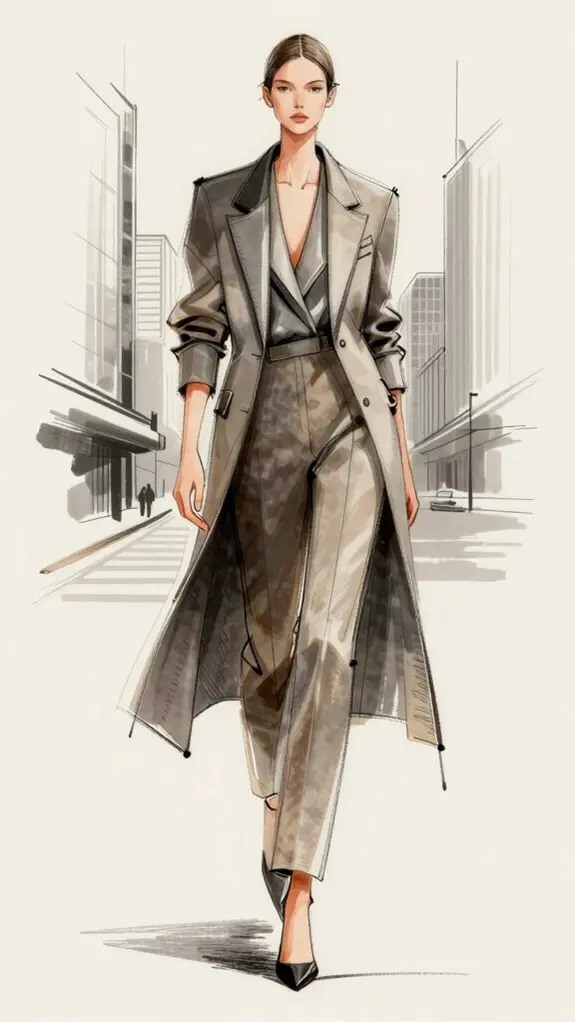
While suburban sprawl promised white picket fences and quarter-acre dreams, cities have always been the real laboratories of aesthetic evolution—and minimalism’s most dramatic modern expressions didn’t emerge from Zen monasteries or Scandinavian forests, but from the vertical density of Tokyo, the loft conversions of lower Manhattan, and the ultra-compact apartments of Hong Kong where spatial scarcity isn’t a design philosophy but a daily reality.
You’re living where every square foot costs a mortgage payment, where efficient transportation replaces garage bloat, where vibrant public spaces become your extended living room because your actual apartment barely fits a bed. This urban pressure cooker forces ruthless editing—not because you’ve read Marie Kondo, but because physics won’t let you keep that college futon. Cities don’t teach minimalism through aspiration; they enforce it through rent checks and building codes. The urban minimalist wardrobe mirrors this philosophy, favoring monochrome white dressing that simplifies choices while maximizing style impact in the concrete jungle.
Design Principles
Three commandments govern urban minimalist design, and they’re less about aesthetic preference than architectural survival: maximize light, minimize barriers, eliminate redundancy.
You’ll notice how spatial awareness becomes your new religion when you’re working with 600 square feet instead of suburban sprawl. Every piece must justify its existence, every wall better have a damn good reason for standing there.
This isn’t Marie Kondo’s gentle decluttering—it’s architectural triage. Mindful organization separates livable studios from claustrophobic nightmares, which is why those floating shelves, multipurpose furniture, and mirror tricks aren’t Instagram aesthetics but genuine solutions.
The principle’s simple: if it doesn’t serve multiple functions or enhance flow, it goes. Period. The same philosophy applies to your wardrobe, where versatile silhouettes that transition between occasions eliminate closet chaos while maximizing every square inch of storage.
Essential Elements
Essential Elements
You’ll need three core elements to nail urban minimalism: a monochrome palette that doesn’t look like you’re headed to a funeral, clean lines sharp enough to slice through visual clutter, and quality basics that’ll outlast the seventeen fast-fashion trends currently flooding your Instagram feed.
Think black, white, gray, maybe a whisper of cream if you’re feeling adventurous—colors that work together like a well-rehearsed ensemble cast, not a chaotic reality show. These aren’t just aesthetic choices, they’re practical shields against the sensory overload of city life, the visual equivalent of noise-canceling headphones for your eyeballs. Studies show that monochromatic spaces evoke feelings of calm, order, and focus—exactly what you need when navigating the urban jungle.
Monochrome palette
Black, white, and every shade of gray between—that’s the monochrome palette stripped to its bones, and it’s been the backbone of urban minimalism since architects like Le Corbusier started bleaching the color out of modernist design in the 1920s. You’re working with neutral tones because they don’t compete for attention, they collaborate. Think of your space as a gallery where the architecture itself becomes art.
To nail this look, focus on:
- Layering textures—matte concrete against glossy marble, rough linen against smooth leather
- Strategic lighting—warm bulbs softening harsh shadows, creating depth where flat surfaces threaten boredom
- Minimal accessories—one sculptural vase, maybe a single framed photograph, nothing more
You’re not decorating a monastery. You’re curating a sophisticated backdrop for your actual life, where restraint reads as confidence, not deprivation.
Clean lines
When every edge in your apartment traces the shortest distance between two points, when corners meet at precise ninety-degree angles instead of meandering into ornamental curves, you’ve entered the domain of clean lines—the architectural equivalent of Marie Kondo’s folding technique applied to your entire living space. This isn’t about sterility (though your mother-in-law might disagree), it’s about intentionality.
Clean lines create spacious interiors through visual simplicity, where a Bauhaus chair or Noguchi table can breathe without competing against baroque molding or decorative baseboards. You’ll notice uncluttered surfaces become achievable when your furniture doesn’t feature seventeen drawers with ornate pulls.
Straight edges, right angles, and geometric precision—these aren’t cold design choices, they’re warm invitations to actually see your space instead of drowning in architectural noise.
Quality basics
Those pristine lines mean nothing if they’re framing furniture that falls apart faster than your New Year’s resolutions. Quality basics demand investment in pieces that’ll outlast fleeting trends, and yes, your commitment to finally learning French.
Focus on essential fabrics that actually breathe:
- Linen upholstery that develops character, not stains
- Wool throws thick enough to survive real winters
- Cotton canvas that ages like good denim
You’re building a foundation, not filling Instagram squares. That sleek sofa needs proper joinery, kiln-dried hardwood, eight-way hand-tied springs (the kind your grandparents understood). Versatile accessories like sculptural lamps and ceramic vessels shouldn’t just look expensive—they should justify their price tags through craftsmanship that survives multiple moves, breakups, career changes. Quality isn’t optional when you’re committed to owning less.
Wardrobe Foundation
The urban minimalist wardrobe isn’t built on trends or seasonal must-haves—it’s constructed from a carefully curated collection of pieces that work harder than a Wall Street associate during bonus season. Your versatile capsule becomes the architecture of effortless dressing, where functional staples eliminate decision fatigue while maintaining impeccable style.
| Category | Essential Piece | Why It Matters |
|---|---|---|
| Tops | White button-down | Transforms from boardroom to bar |
| Bottoms | Black tailored trousers | Universal sophistication |
| Outerwear | Camel wool coat | Timeless investment piece |
| Footwear | Leather ankle boots | Weather-proof elegance |
| Accessories | Structured leather bag | Professional polish |
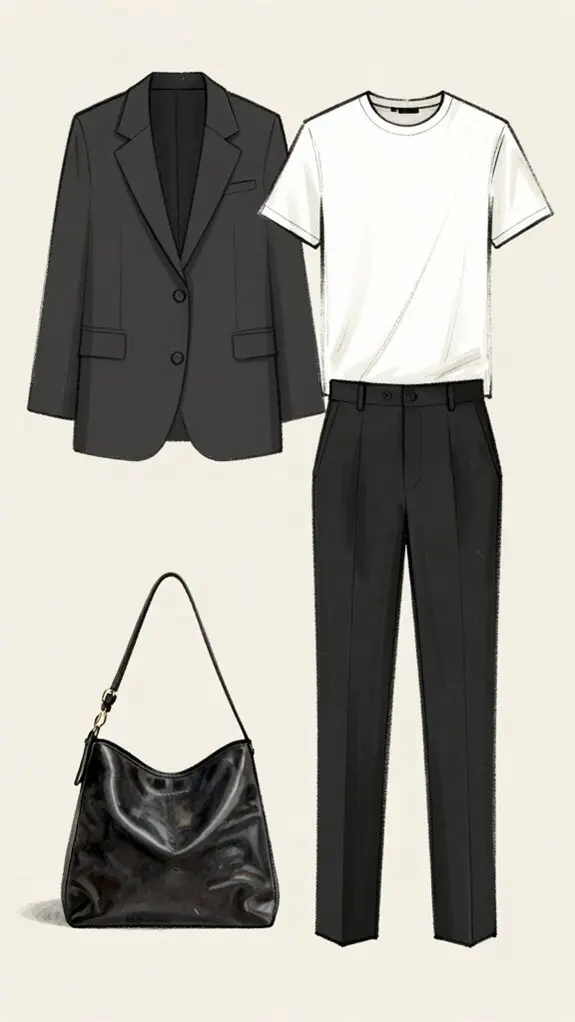
These foundations aren’t merely clothes—they’re building blocks that multiply your outfit options exponentially. Each piece connects seamlessly, creating combinations that look intentional, not accidental. For those seeking a more relaxed yet polished aesthetic, an oversized blazer can balance relaxed silhouettes while maintaining a structured, professional vibe.
Styling Philosophy

Styling Philosophy
Having the right pieces solves only half the equation—you still need to know how to wear them without looking like you’re cosplaying a Scandinavian architect. Your styling philosophy should embrace thoughtful simplicity, not sterile perfection. Think intentional living translated to your closet, where each combination serves a purpose.
Master these three approaches:
- Monochromatic layering (black turtleneck, charcoal blazer, slate trousers)
- Texture contrast (smooth leather jacket over chunky knit)
- Strategic focal points (statement watch, architectural jewelry, distinctive footwear)
You’re not building outfits—you’re editing down to what matters. Remove one accessory before leaving. Let pieces breathe instead of competing. Playing with different textures in the same color family creates visual interest while maintaining that streamlined aesthetic. Your wardrobe communicates confidence through restraint, not maximalist peacocking. This isn’t about following minimalist dogma; it’s about looking effortlessly assembled while everyone else tries too hard.
Frequently Asked Questions
What’s the Best Budget for Starting an Urban Minimalist Wardrobe?
You’ll need roughly $500-800 to build a solid foundation, though honestly, that’s assuming you’re making efficient clothing investments instead of panic-buying fast fashion every weekend.
Start with versatile wardrobe essentials: quality black jeans, neutral tees, a structured blazer, white sneakers. Think Everlane, COS, Uniqlo—brands that won’t demolish your account.
You’re curating intentionally here, not hoarding like Marie Kondo’s having nightmares about you. Each piece should earn its closet space through sheer functional elegance.
How Do I Transition From Maximalist to Minimalist Style Gradually?
Rome wasn’t built in a day, and neither’s your minimalist wardrobe. Start your decluttering process by removing one piece weekly—you’ll barely notice the shift, but your closet will thank you.
Box up excess items in sustainable storage solutions like cotton bins, giving yourself a three-month trial separation. If you don’t miss those neon leopard-print leggings, donate them.
Focus on replacing worn pieces with versatile neutrals rather than purging everything overnight. You’re evolving, not erasing yourself.
Which Sustainable Brands Specialize in Urban Minimalist Clothing?
You’ll find Everlane, COS, and Cuyana leading the ethical fashion trends charge with their pared-down aesthetics. These brands prioritize sustainable clothing materials like organic cotton, recycled polyester, and Tencel while maintaining that clean-lined look you’re after.
Reformation offers edgier pieces, Arket delivers Scandi-minimalism, and Kotn focuses on transparent Egyptian cotton sourcing. Each brand proves you don’t need excess, just intentional design and materials that won’t destroy the planet while you’re looking effortlessly put-together in your city uniform.
Can Urban Minimalism Work in Hot and Humid Climates?
You’ll absolutely thrive in tropical heat if you’re strategic about it, like some Victorian minimalist who’s discovered linen. Choose climate appropriate materials—breathable cotton, lightweight wool, moisture-wicking synthetics—that won’t suffocate you in humidity.
Keep your wardrobe streamlined (fewer pieces mean less closet chaos), and invest in space saving furniture that promotes airflow around your apartment. The aesthetic works beautifully when you’re not drowning in fabric; it’s about intentional choices, not deprivation.
How Many Pieces Should a Capsule Wardrobe Actually Contain?
You’ll thrive with 30-40 wardrobe essentials, though minimalist influencers pushing 10-piece collections are selling fantasies, not function. Focus on versatile staple pieces that layer well—a crisp white shirt works for meetings and weekend brunches, black trousers shift from office to dinner.
The sweet spot balances restraint with reality: you need backup options when your favorite jeans are dirty, multiple seasons accounted for, and enough variety that you’re not wearing identical outfits weekly. Quality over arbitrary limits wins.
Conclusion
You’ve stripped away the excess, sharpened your focus, and built a foundation that actually works. Your space breathes easier, your wardrobe functions smarter, and your mind operates clearer—that’s the whole point. Urban minimalism isn’t about deprivation; it’s about intention, about choosing quality over quantity, function over filler. You’re not missing out on anything. You’re simply refusing to let the noise win, and honestly, that’s the most radical choice you can make.
Have any thoughts?
Share your reaction or leave a quick response — we’d love to hear what you think!
-
 0
0 -
0
-
0
-
0
-
0
-
0


