

 Lena
Lena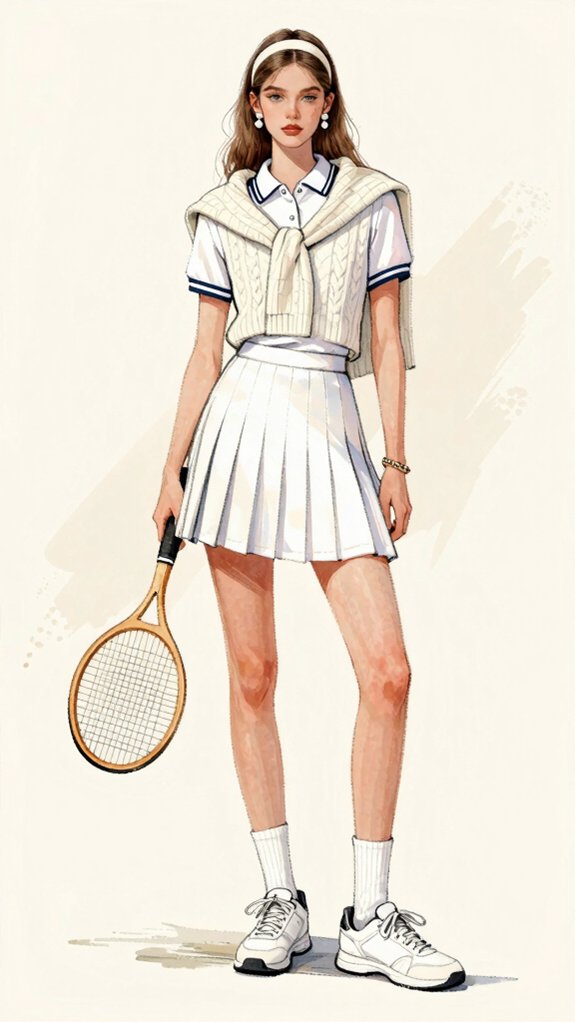
You’ve seen it courtside at Wimbledon, in vintage Ralph Lauren ads, and probably on that one friend who somehow makes athleisure look like old money. Tennis club style occupies this peculiar space between actual athleticism and aspirational lifestyle branding—it’s functional enough for a match, polished enough for the clubhouse, and just preppy enough to signal you understand the difference between summer whites and winter whites. But here’s where it gets interesting.
Country Club Heritage
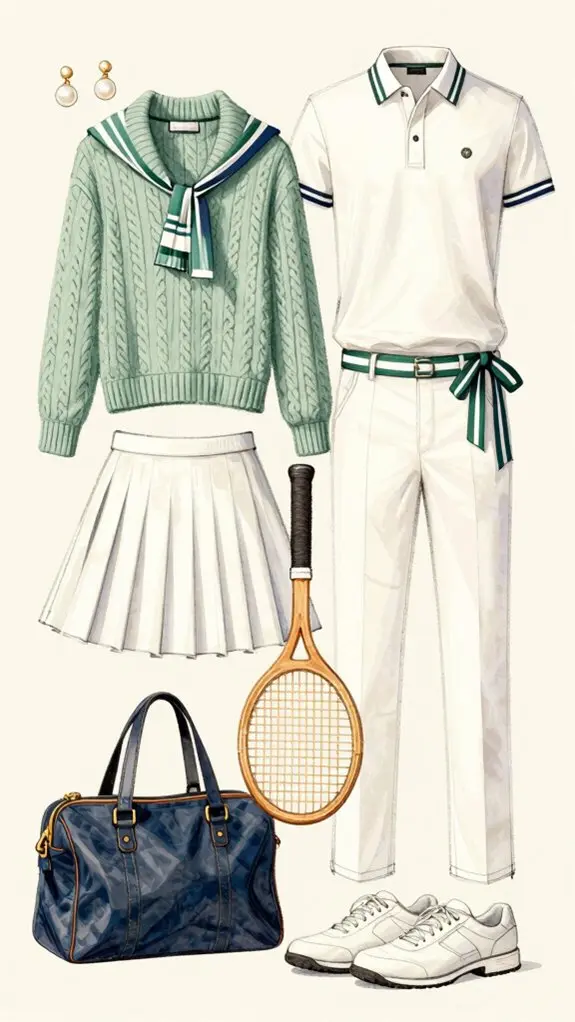
When tennis first wormed its way into American high society during the 1870s, it arrived not as the grunting, fist-pumping spectacle we’re familiar with today, but as a garden party amusement for the idle rich—a way to show off your crisp whites, your manicured lawns, and your ability to whack a ball over a net without breaking a sweat or, God forbid, your composure.
The sporting traditions that emerged from Newport’s Casino and Philadelphia’s Merion Cricket Club weren’t really about athleticism. They were about reinforcing class boundaries through cable-knit sweaters and pleated skirts. These classic aesthetics—the immaculate whites, the V-neck cardigans, the headbands that actually stayed put—communicated breeding, leisure, and exclusivity more effectively than any membership dues ever could. Today’s tennis style inherits this legacy, anchored by investment pieces like the perfect white button-down that transitions effortlessly from courtside to cocktail hour.
Athletic Elegance
Athletic Elegance
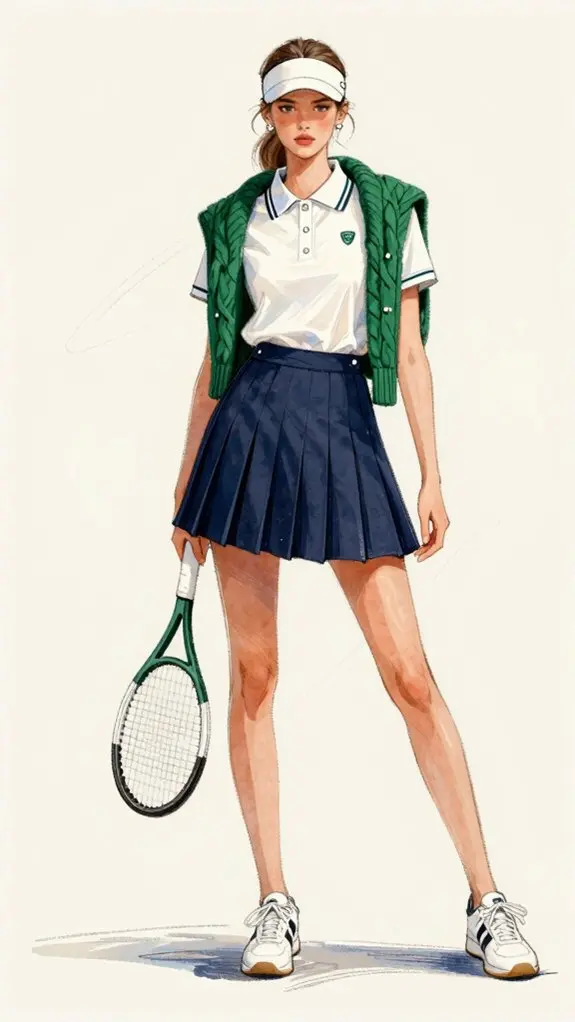
The contradiction at tennis’s sartorial heart—looking effortlessly polished while engaging in genuinely demanding physical activity—created an aesthetic challenge that designers have spent the better part of a century trying to solve. You’re watching someone sprint baseline to baseline, yet their collar stays crisp, their pleats somehow maintaining their architectural integrity.
This relaxed sophistication demanded innovation: fabrics that breathed, moved, recovered.
The formula that emerged prioritized versatile silhouettes that worked courtside and clubhouse equally well:
- Tailored shorts with enough stretch to allow deep lunges without splitting seams
- Polo shirts cut slim through the body but generous through the shoulders
- Cable-knit sweaters draped over shoulders, purely decorative, gloriously impractical
The classic cardigan layered over tennis whites became another staple—a piece that transitioned seamlessly from post-match cool-down to clubhouse drinks.
You’re projecting capability without sacrificing refinement—athletic excellence wrapped in country club respectability.
Key Components
Key Components
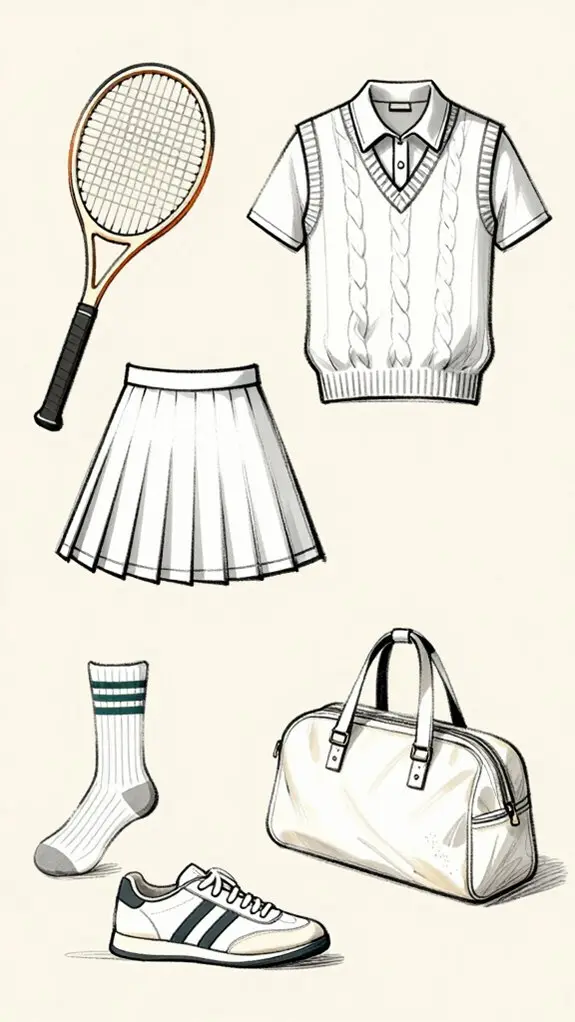
You can’t talk about tennis club style without zeroing in on the holy trinity: crisp polo shirts with their collars perpetually popped or pressed flat, pleated skirts that swing with just enough movement to suggest athleticism without sacrificing modesty, and those pristine white sneakers that somehow stay impossibly clean despite hours on the court.
These aren’t just clothes—they’re a visual language that’s been speaking volumes since the sport’s country club heyday in the 1920s, when fashion and function first found their groove on grass courts. Each piece works overtime, balancing the practical demands of an actual sport with the unspoken dress codes of old-money leisure, creating a look that’s survived decades precisely because it refuses to choose between performance and presentation. For off-court moments, ballet flats with pointed toes offer the same polished aesthetic while elongating the silhouette in a way that keeps the preppy proportions intact.
Polo shirts
Classic tennis club attire wouldn’t exist without polo shirts, those collared stalwarts that’ve been signaling athletic sophistication since René Lacoste ditched his long-sleeved button-ups in 1926. You’re looking for breathable fabrics—piqué cotton’s your baseline, technical blends if you’re actually playing—that won’t leave you looking like you’ve survived a rainstorm after two sets.
The magic happens when you understand fit and proportion:
- Slim but not suffocating: You want definition through the shoulders and chest without that painted-on look that screams trying too hard
- Collar integrity: A proper spread collar that maintains its shape, even after multiple washes
- Length precision: Hitting right at your hip bone, allowing for easy tucking or casual untucked styling with layered textures
Colors matter here—navy, white, powder blue signal authentic prep credibility.
Pleated skirts
While polo shirts anchor the men’s side of tennis club aesthetics, pleated skirts have carried the women’s game since Helen Wills Moody prevailed at Wimbledon in the 1920s wearing those controversial knee-length numbers that scandalized Victorian holdouts.
You’ll notice the best examples feature tailored pleats that move with your body, not against it, creating that distinctive swish when you pivot for a backhand. The preppy aesthetic demands white or navy, though modern iterations embrace pastels and bold patterns that would’ve given tournament officials heart palpitations back in Moody’s era.
Look for skirts that hit mid-thigh, with built-in compression shorts because nobody needs another wardrobe malfunction moment. The pleats aren’t just decorative—they’re functional, allowing range of motion while maintaining structure.
Classic sneakers
When Adidas disclosed the Stan Smith in 1971, nobody predicted it’d become the Platonic ideal of tennis sneakers—minimalist leather, those three perforated stripes, a green heel tab that’s spawned a thousand knockoffs. You’re not just buying footwear; you’re investing in relaxed minimalism that whispers rather than shouts. That’s the genius of classic tennis sneakers—they’ve mastered sophisticated simplicity without trying.
Consider what makes them essential:
- The K-Swiss Classic 66 with its five-stripe design that screams country club without the pretension
- Tretorn Nylites, canvas wonders that’ve graced prep school hallways since the ’60s
- Nike Court Legacy, modern interpretations that respect vintage aesthetics
These aren’t statement pieces—they’re the punctuation marks that complete your look. Wear them with confidence, not irony.
Color Codes
The preppy tennis aesthetic lives and dies by its palette, and if you don’t understand the unwritten rules governing navy, white, kelly green, and that specific shade of butter yellow, you’re going to look like you wandered onto the court by accident. Think crisp, clean, deliberate—not a neon disaster from a 1987 aerobics video.
You’ll want vibrant hues that reference vintage club sportswear, the kind Chris Evert wore at Wimbledon, paired strategically with muted tones that ground the look. Navy blazers, cream cable-knits, forest green polos with white collars. Butter yellow, with its warm undertones that complement virtually every skin tone, has become the sunshine shade taking over tennis-inspired looks this season. The magic formula? Limit yourself to three colors maximum per outfit, anchored by white or cream. Pastels work during spring and summer exclusively, unless you’re trying to confuse everyone about what season it is.
Modern Interpretation
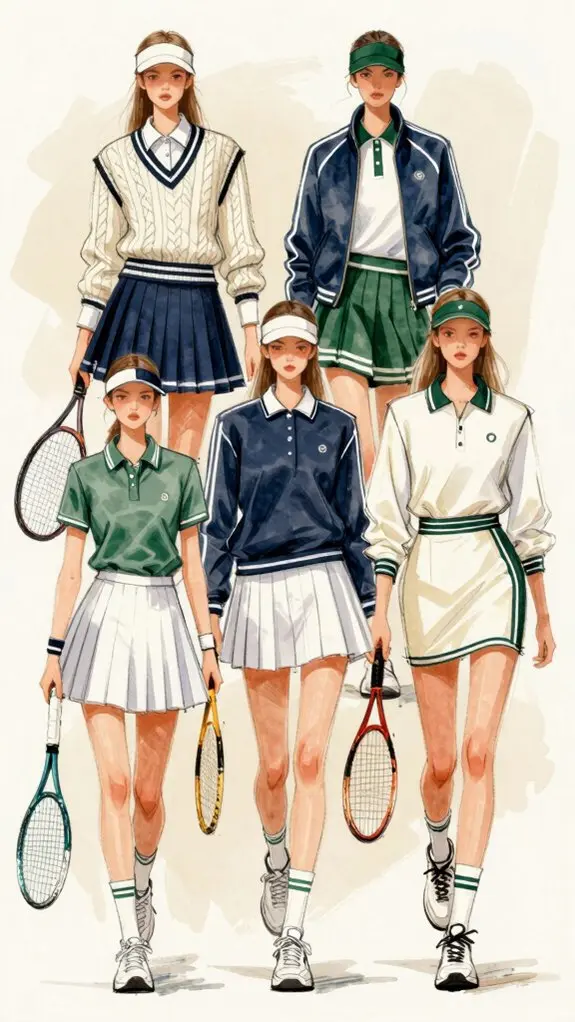
Because tennis club style spent decades locked in country club amber, preserved like some Ralph Lauren fever dream from 1982, modernizing it requires careful surgery—not a sledgehammer. You’re aiming for casual sophistication that doesn’t scream “my trust fund has a trust fund,” which means embracing a minimalist aesthetic while keeping the sport’s DNA intact.
Tennis style modernization demands surgical precision: strip the country club pretense while preserving the sport’s effortless, athletic elegance.
Consider these updated approaches:
- Swap pleated skirts for sleek tennis dresses in technical fabrics that actually wick sweat
- Replace cable-knit sweaters with merino crewnecks in understated neutrals, no logos
- Choose low-profile sneakers over chunky dad shoes—Court Vintage, not Air Monarch, or Adidas Gazelles with their sleeker suede construction and tapered toe that work equally well for casual and slightly dressier outfits
The trick isn’t abandoning tradition but editing it ruthlessly. You’re curating, not cosplaying. Modern tennis style works because it strips away the country club baggage while maintaining that effortless, just-finished-a-match energy.
Frequently Asked Questions
What Shoes Work Best for Tennis Club Style off the Court?
You’ll want comfortable leather sneakers as your go-to—think classic white low-tops from Adidas Stan Smiths or Common Projects, which shift seamlessly from baseline to brunch. Breathable canvas loafers work brilliantly too, channeling that effortless Hamptons energy without trying too hard.
The key’s versatility: shoes that nod to athletic heritage while maintaining enough polish for the clubhouse. Skip anything too technical or aggressively branded; you’re aiming for understated sophistication, not looking like you’re perpetually mid-workout.
Can I Wear Tennis Club Style to Work or Formal Events?
Like a polo shirt that’s equally at home courtside or cocktail-side, you’ll nail mixing tennis club style with business casual by swapping your sneakers for loafers and adding a blazer over that cable-knit sweater.
When to wear tennis club attire to work? Smart-casual Fridays, creative industries, summer office settings—absolutely. But formal events? That’s pushing it, honestly. Save the pleated skirts and argyle for client lunches, not black-tie galas. Know your venue’s dress code intimately before committing.
Which Brands Specialize in Authentic Tennis Club Aesthetic?
You’ll find the most authentic pieces at Ralph Lauren, Lacoste, and Fred Perry—they literally invented this aesthetic.
For something more niche, check out Rowing Blazers and Gant Rugger, which nail vintage country club vibes with custom embroidered tennis apparel that feels genuinely lived-in.
If you’re serious about it, scour eBay for actual 1970s pieces, then style them around vintage tennis racket displays in your space. That’s how you avoid looking like a tennis Halloween costume.
How Do I Style Tennis Skirts for Everyday Casual Wear?
Picture yourself breezing through a Sunday farmer’s market, pleats swishing with each confident step. You’ll master versatile tennis skirt pairings by ditching the performance top—swap it for an oversized band tee, vintage crewneck, or cropped hoodie.
For casual athleisure combinations that actually work, pair your skirt with chunky sneakers (New Balance 550s, anyone?), throw on a denim jacket, add a crossbody bag. It’s preppy rebellion, really—taking country club staples and making them decidedly, unapologetically yours.
What’s the Difference Between Tennis Club Style and Other Preppy Looks?
Tennis club style leans harder into athletic-inspired activewear than traditional preppy looks, which favor blazers and loafers. You’re pulling from actual sportswear—pleated skirts, polo shirts, track jackets—not just borrowing the country club aesthetic.
Court-inspired accessories like visors, wristbands, and tennis bags become statement pieces, not costumes. While classic preppy says “I summer in the Hamptons,” tennis club style says “I actually play tennis there.” It’s prep with purpose, function meeting fashion in a way Ralph Lauren’s been capitalizing on since 1972.
Conclusion
You’ve got the blueprint now, so don’t overthink it. Tennis club style works because it’s honest—athletic function meeting preppy form without apology. Recall, when in doubt, less is more. Stick to crisp whites, tailored fits, and that effortless court-to-street energy. Skip the country club stuffiness, embrace the minimalist approach, and you’ll nail that sporty sophistication every time. The aesthetic practically styles itself once you understand its DNA.
Have any thoughts?
Share your reaction or leave a quick response — we’d love to hear what you think!
-
 0
0 -
 0
0 -
 0
0 -
 0
0 -
 0
0 -
 0
0