

 Lena
LenaPicture a woman gliding through Whole Foods in head-to-toe beige cashmere, her wrist adorned with a watch that costs more than your car—yet you’d never know it from the absence of logos. This is the rich mom aesthetic, where wealth whispers instead of shouts, and that “effortless” look requires meticulous curation and, let’s be honest, a substantial bank account. It’s aspirational minimalism for the one percent, but here’s what most people get wrong about pulling it off.
Style Philosophy
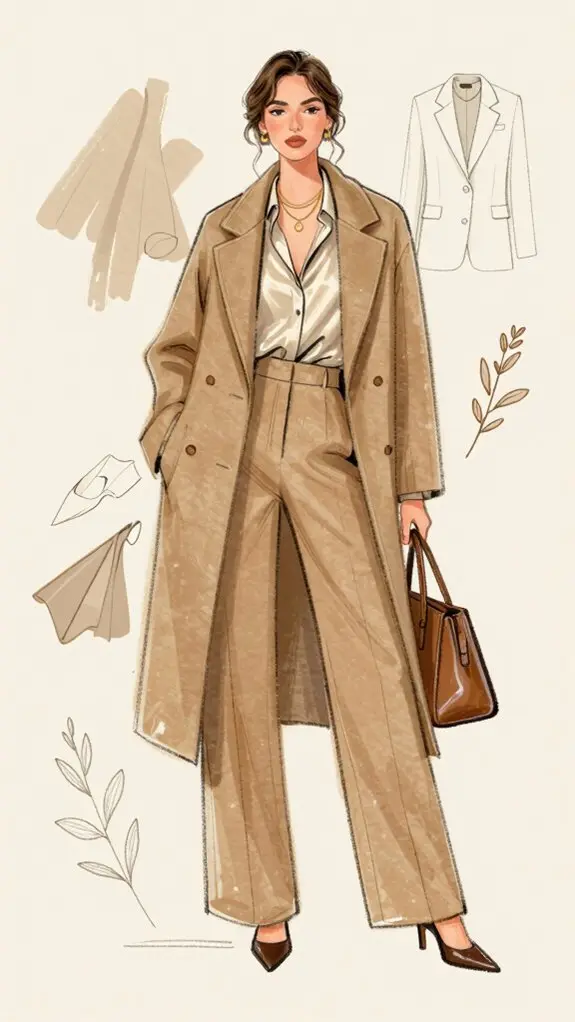
While the term “Rich Mom Aesthetic” might sound like just another TikTok-born microtrend destined to fade by next season, it represents something far more calculated: the deliberate cultivation of a lifestyle that screams wealth without ever raising its voice.
You’re embracing mindful minimalism, but make it cashmere. The philosophy centers on appearing effortlessly polished while secretly spending hours curating the perfect neutral palette wardrobe. Think less Kardashian maximalism, more Aerin Lauder restraint.
Your elevated accessories—that Bottega Veneta pouch, those Cartier love bracelets stacked just so—do the talking. You’ve mastered the art of looking simultaneously understated and obviously expensive, because truly wealthy people don’t need logos plastered across their chests. They’ve moved beyond proving anything, armed instead with quiet luxury pieces that whisper their net worth to those who know. This approach echoes Carolyn Bessette Kennedy’s minimalist style, where confidence and impeccable fit always trumped trend-following.
Defining Characteristics
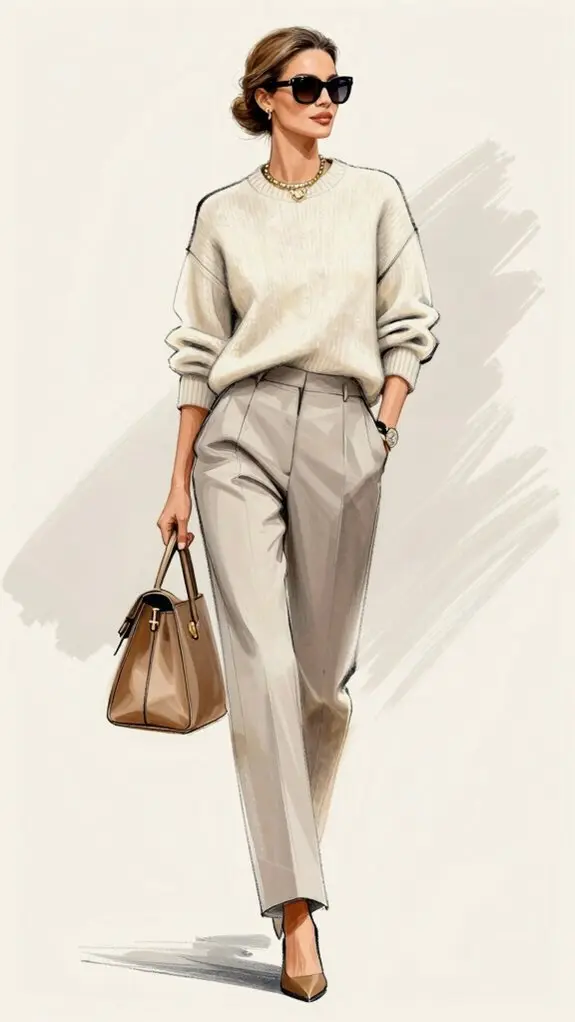
The uniform practically writes itself: cream-colored everything, from your Loro Piana cashmere to your Range Rover interior, punctuated by strategic pops of camel, beige, and—if you’re feeling daring—greige. You’ll recognize this elevated lifestyle by its obsessive commitment to “quiet luxury,” where logos die and craftsmanship whispers.
Your Bottega Veneta bag, barely distinguishable from any other leather tote to the untrained eye, costs three months’ rent. The aesthetic thrives on plausible deniability—could that Brunello Cucinelli sweater be from Everlane? (No.) Everything screams mindful consumption, organic materials, sustainable practices, yet somehow requires unlimited capital. For those seeking warmth beyond the cream palette, rich chocolate or cognac tones in beautifully tailored blazers and coats serve as sophisticated wardrobe anchors.
Your gold jewelry stays delicate, minimal, inherited-looking. Hair’s always glossy, bouncy, professionally maintained but appearing effortlessly touchable. The vibe? Expensive restraint.
Essential Items
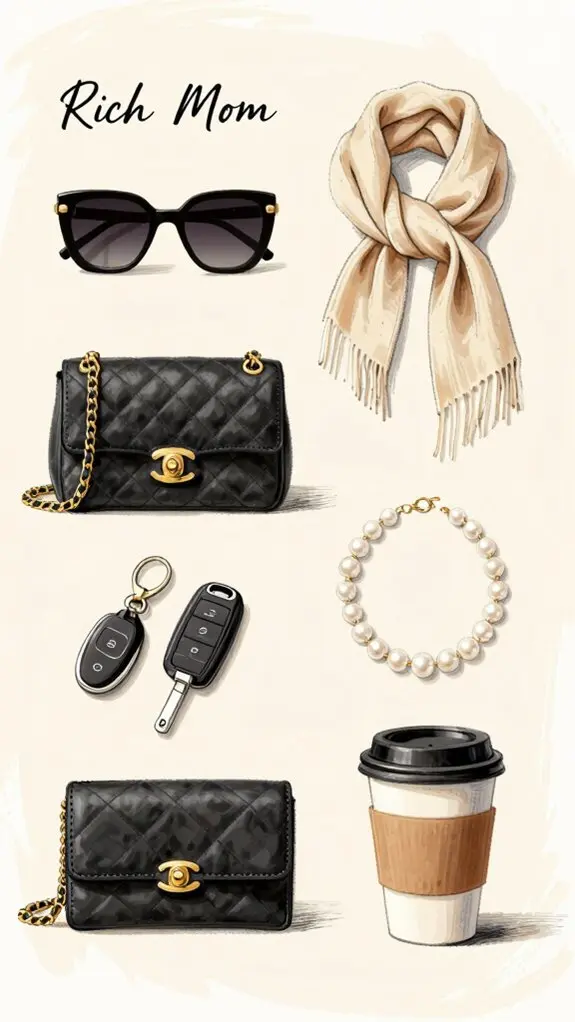
Building a Rich Mom wardrobe isn’t about cramming your closet with logo-heavy pieces that scream “I’m trying too hard”—it’s about investing in those deceptively simple essentials that somehow cost more than your first car. You’ll need a rotation of cashmere basics in cream, camel, and black (because synthetic blends are for people who don’t understand the concept of breathable luxury), at least one structured designer bag that holds its value better than your 401(k), and premium denim that fits so perfectly it makes you wonder why you ever shopped at mall chains. Don’t overlook a caramel suede blazer that can elevate everything from mini-skirts to high-waisted jeans with effortless 70s-meets-now energy.
These aren’t just clothes; they’re the building blocks of a wardrobe that whispers wealth instead of shouting it, the kind of pieces that last years and signal you’ve got your priorities, and your disposable income, sorted out.
Cashmere basics
Softness becomes currency when you’re building a wardrobe that whispers wealth rather than screams it. Cashmere sits at the intersection of cozy textures and investment dressing, those timeless essentials that justify their price tags through sheer longevity.
You’ll want crewneck sweaters in oatmeal, charcoal, navy—colors that photograph well at school pickup and coastal vacations alike. A cashmere cardigan becomes your uniform, thrown over silk camis or crisp button-downs depending on the temperature of overheated preschool classrooms.
Quality matters here: look for two-ply minimum, twelve-gauge knit, preferably from Italian mills like Loro Piana (though Naadam offers accessible entry points). The fabric pills less, holds its shape through countless dry-cleaning cycles, and maintains that butter-soft hand feel that signals you’ve graduated beyond fast-fashion approximations. Real recognizes real.
Designer bags
Handbags function as financial statements you carry on your shoulder, broadcasting net worth more efficiently than any LinkedIn profile ever could. You’ll want investment pieces that telegraph timeless elegance: the Hermès Birkin (yes, the waiting list exists), Chanel Classic Flap, or Celine’s Triomphe.
These aren’t mere accessories; they’re appreciating assets that outperform most stock portfolios. A Kelly bag purchased in 2010 for $7,000 now fetches $15,000 secondhand, making it smarter than your 401(k). The rich mom understands this arithmetic, which is why she rotates three neutral-toned designer bags rather than cluttering her closet with twenty trendy options.
Quality leather ages like fine wine, developing character, patina, and resale value. Fast fashion peels, cracks, and screams financial insecurity.
Quality denim
Why does denim command $300 price tags when cotton costs pennies per yard? You’re paying for durable fabrication that survives countless washes without losing shape, premium mills in Japan or Italy, and construction techniques that prevent saggy knees. The rich mom understands timeless silhouettes—straight-leg cuts, high-rise waists, clean dark washes—work harder than trendy distressing ever could.
| Investment Denim | Fast Fashion Alternative |
|---|---|
| Holds shape for years | Stretches out after three wears |
| Refined stitching details | Visible quality compromises |
| Flattering across body types | Fits only freshly laundered |
| Effortless styling versatility | Requires constant replacing |
| Minimal environmental impact | Polluting production cycles |
You’ll recognize quality immediately: substantial weight, reinforced seams, hardware that doesn’t tarnish. It’s practicality disguised as luxury.
Color Scheme
The strategic approach includes:
Luxury whispers through intentional restraint—each layer, each hue carefully orchestrated to signal wealth without ever announcing it.
- Monochromatic layering in varying textures (cashmere on silk on wool)
- Warm whites and creams as your foundation, never stark white
- One accent color maximum—usually navy, forest green, or burgundy
You’ll occasionally spot a pop of color, but it’s restrained, deliberate. Think Loro Piana’s signature palette: the kind of understated luxury that costs more than your car payment. When incorporating black and white pieces, texture contrast between smooth silks and chunky knits creates the visual interest that elevates simple palettes to sophisticated statements.
Effortless Styling
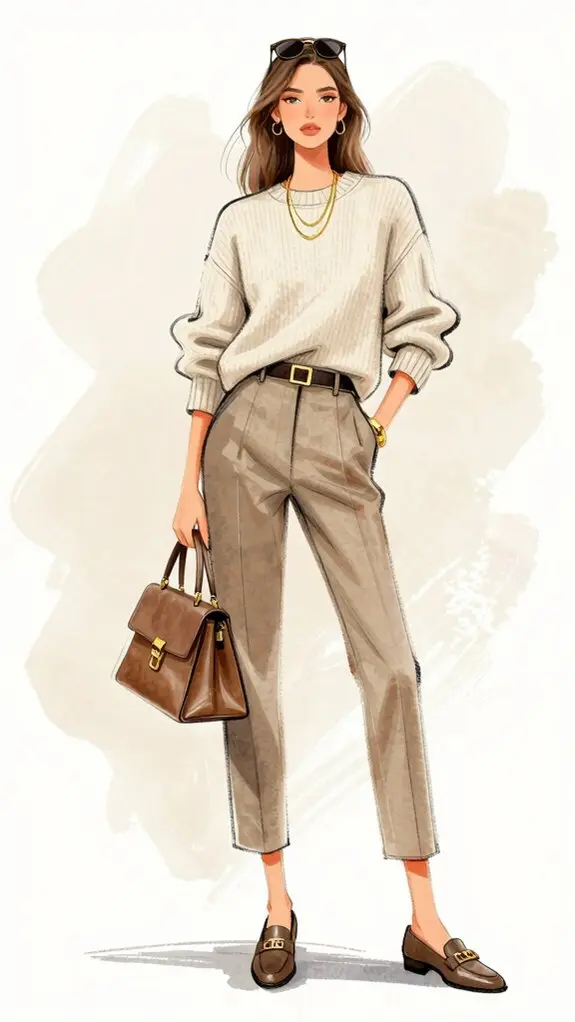
Looking like you didn’t try is a full-time job that requires more effort than most people put into their actual careers. You’ll need to master the contradiction at the heart of relaxed elegance: appearing casually thrown together while actually orchestrating every detail with surgical precision.
This means choosing pieces that photograph like spontaneity but cost like strategy—the cashmere sweater artfully pushed up at the sleeves, the perfectly imperfect bun that took three YouTube tutorials to nail. Minimalist chic isn’t about having less, it’s about having better, fewer things that do more work. When it comes to color, white remains the ultimate power move since clothes systematically influence wearers’ psychological processes, making you appear both approachable and authoritative while projecting effortless sophistication.
You’re curating an Instagram feed where luxury whispers instead of shouts, where your “effortless” morning routine involves seventeen steps nobody sees. The aesthetic sells authenticity while manufacturing it completely.
Frequently Asked Questions
What Affordable Brands Can Replicate the Rich Mom Aesthetic?
You’ll find the aesthetic at Quince, Everlane, and Massimo Dutti—brands offering sustainable fashion pieces without the Hermès price tag. COS delivers minimalist tailoring that reads expensive, while The RealReal and Vestiaire Collective provide secondhand luxury items at fraction-cost.
Don’t sleep on Mango’s structured blazers or & Other Stories’ cashmere-blend knits; they’re doing quiet luxury before it became insufferable. The secret isn’t logos, it’s tailoring, neutral palettes, and quality fabrics that don’t scream “I’m trying.”
How Do I Avoid Looking Overdressed in Everyday Situations?
The secret’s in restraint, honestly. Stick with minimalist silhouettes—think sleek trousers, tailored blazers, crisp button-downs—that read expensive without screaming “I’m attending a gala at Whole Foods.”
Keep your accessories toned down: one statement piece, max. A Cartier Tank (or convincing dupe) beats stacked arm candy.
The rich mom isn’t costuming; she’s simply existing in quality basics that happen to look effortlessly pulled-together. It’s calculated nonchalance, not a fashion editorial.
Can This Aesthetic Work for Younger Women in Their Twenties?
Absolutely—this aesthetic isn’t age-locked like some exclusive country club. The versatility of the aesthetic lies in its foundational principles: quality pieces, tailored fits, understated elegance.
You’ll adapt the look to your personal style by swapping structured blazers for relaxed linen versions, choosing sleek sneakers over pumps, or layering gold jewelry differently than your mother would.
Think Sofia Richie Grainge’s wedding aesthetic—she’s literally built her brand on youthful, accessible luxury that feels effortlessly chic, not costume-y or trying too hard.
What Hair and Makeup Complete the Rich Mom Look?
You’ll want glamorous hairstyles that look effortlessly expensive—think blown-out waves with body, sleek low ponytails, or that perfectly undone bun that somehow cost $200 at Drybar.
Your makeup focuses on a luminous complexion, not full-coverage Instagram contour, achieved through strategic highlighter, cream blush, and expensive serums that actually show. Neutral lips, groomed brows, maybe a subtle cat-eye—you’re aiming for “I woke up glowing” rather than “I spent three hours on this.”
Where Do Rich Moms Typically Shop for Their Wardrobe Essentials?
Like Odysseus maneuvering between Scylla and Charybdis, you’ll chart your course between two retail kingdoms: luxury department stores (Neiman Marcus, Nordstrom, Bergdorf’s) for current-season staples, and designer consignment stores (The RealReal, Rebag, Fashionphile) for investment pieces at 40-60% off.
You’re not just shopping, you’re curating—mixing full-price Loro Piana with pre-loved Hermès, because true wealth whispers rather than screams. It’s strategic accumulation, not mindless consumption, building a wardrobe that compounds value over time.
Conclusion
The rich mom aesthetic isn’t about draining your bank account on every passing trend—it’s about investing strategically in pieces that’ll outlast fast fashion’s revolving door. Why chase logos when craftsmanship speaks louder? You’re building a wardrobe foundation rooted in neutral palettes, premium fabrics, and timeless cuts that exude effortless sophistication. This isn’t cosplay; it’s cultivating a refined personal style that whispers wealth rather than shouting it, proving that true luxury lies in quality, not quantity.
Have any thoughts?
Share your reaction or leave a quick response — we’d love to hear what you think!
-
 0
0 -
 0
0 -
 0
0 -
 0
0 -
 0
0 -
 0
0