

 Lena
Lenawomen from families in the top 1% wear clothes that last, on average, fifteen years longer than the median American’s wardrobe. It’s not about having more money to spend—though that helps, obviously—it’s about understanding that real wealth whispers while poverty shouts through logos and fast fashion. The Park Avenue princess knows something you don’t, and it’s changed how she’s dressed since childhood.
Upper Class Influence
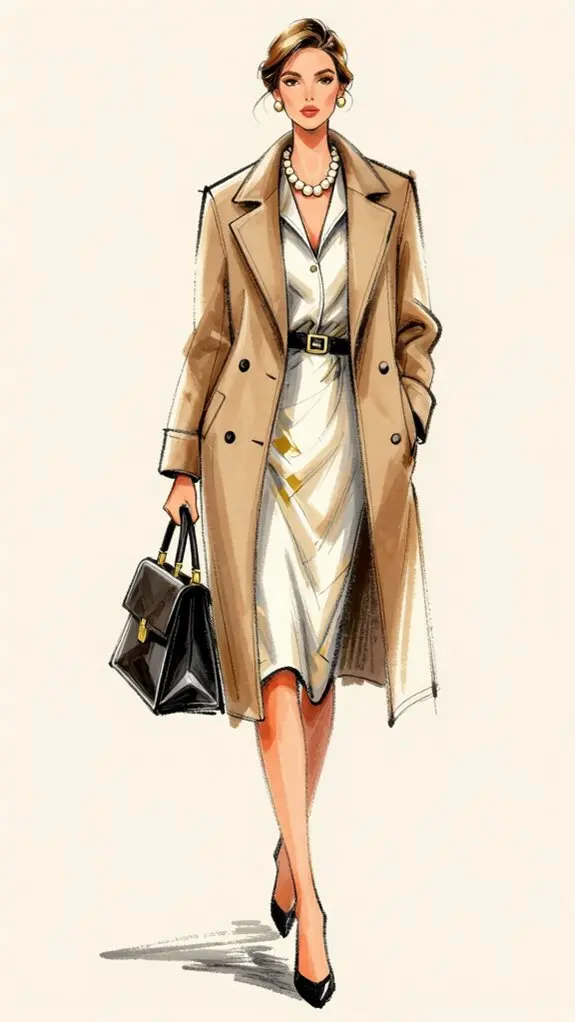
The Park Avenue princess isn’t born—she’s meticulously constructed, brick by limestone brick, through generations of accumulated wealth, carefully curated social connections, and an education system that costs more per year than most American families earn.
You’ll find her at Spence or Chapin, learning French before puberty, summering in the Hamptons while her counterparts work retail jobs. This exclusive affluence shapes everything: her posture (thanks, equestrian lessons), her vocabulary (cultivated through opera subscriptions and museum galas), her effortless navigation of spaces where others feel profoundly uncomfortable.
Her privileged status isn’t just about money—though trust funds certainly help—it’s about access, about knowing which doors open before you even knock, about understanding that the world was literally designed with people like you in mind. Her wardrobe reflects this quiet confidence, favoring neutral color palettes and impeccable tailoring over trend-chasing—quality speaks, logos scream.
Style Principles
Style Principles
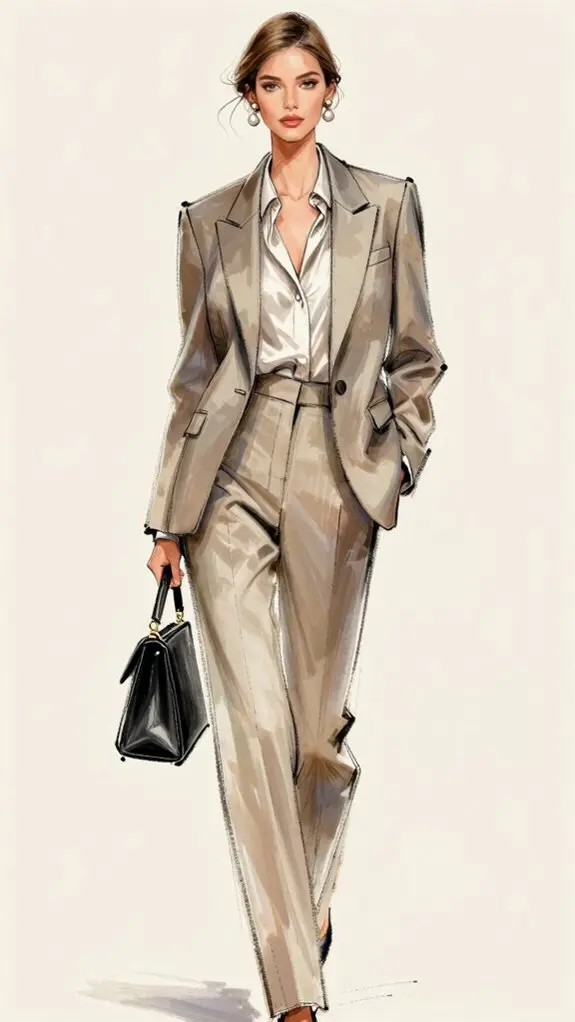
Money whispers where insecurity shouts, and nowhere is this principle more evident than in the Park Avenue princess’s approach to fashion. She’s mastered sophisticated etiquette through cultivated refinement, understanding that true style isn’t about screaming for attention—it’s about commanding it effortlessly.
| Outdated Approach | Park Avenue Principle |
|---|---|
| Logo obsession | Discreet quality markers |
| Trend chasing | Timeless investments |
| Fast fashion excess | Curated wardrobe |
| Seasonal purging | Generational pieces |
| Instagram validation | Personal confidence |
You’ll notice she invests in pieces that outlast trends, choosing Loro Piana cashmere over flashy designer logos. Her closet reads like a greatest hits album, not a desperate shuffle. She knows the difference between expensive and valuable—and darling, that distinction matters more than your follower count ever will. Her approach embodies effortless sophistication, celebrating delicacy, lightness, and movement over ostentatious display.
Essential Elements
Essential Elements
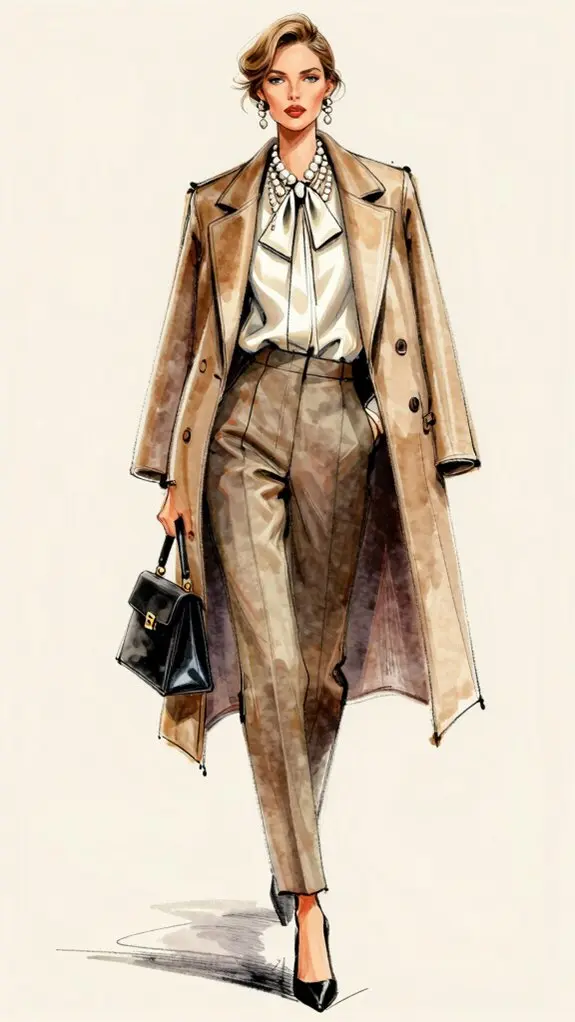
You can’t achieve that effortlessly polished Park Avenue look without building your wardrobe around three non-negotiables: tailored clothing that fits like it was made for your body (because, ideally, it was), luxury accessories that signal you understand the difference between expensive and well-made, and classic silhouettes that’ve survived decades of trends for good reason.
Think Jackie O’s A-line coats, the structured Hermès Birkin that’s more investment than handbag, the perfectly tailored Chanel jacket that somehow works in 1955 and 2024. These aren’t just clothes—they’re the visual vocabulary of old money, the kind of pieces your mother’s friends would nod approvingly at over lunch at The Carlyle. For handbags, the Classic Flap in black caviar leather offers unmatched durability for daily use while maintaining that unmistakable Chanel presence.
Tailored clothing
Tailored clothing forms the architectural foundation of Park Avenue style, separating women who merely wear expensive clothes from those who understand how garments should actually fit. You’re investing in precision, not just purchasing another blazer off the rack.
Custom tailoring transforms elevated fabrics into second skins that move with your body rather than against it. Consider these non-negotiables:
- Sleeve pitch – Your jacket sleeves should hang naturally without twisting or pulling
- Shoulder line – Clean, defined breaks at your natural shoulder, never drooping
- Waist suppression – Strategic darting that creates shape without tightness
- Hem breaks – Trousers grazing shoe tops with minimal fabric pooling
- Button placement – Strategic positioning that flatters your actual proportions, not theoretical ones
This attention separates true elegance from expensive mediocrity.
Luxury accessories
Perfect tailoring creates the canvas, but luxury accessories provide the signature—the details that communicate whether you’ve simply studied wealth or actually live it. You’ll need designer handbags that whisper rather than scream, pieces like Hermès Birkins or Bottega Veneta pouches that insiders recognize instantly. Exclusive jewelry matters even more—vintage Cartier, estate Van Cleef & Arpels, heirlooms that suggest generational wealth rather than last season’s impulse purchase.
| Investment Piece | Cultural Signal |
|---|---|
| Hermès Kelly bag | Old money restraint |
| Cartier Love bracelet | Committed luxury |
| Tiffany key pendant | Aspirational classic |
| Goyard tote | Insider knowledge |
Your accessories shouldn’t match perfectly—that’s trying too hard. They should accumulate naturally, each piece telling a story about taste, travel, inheritance.
Classic silhouettes
Clothing shapes haven’t fundamentally changed since Coco Chanel put women in jersey, and that’s precisely the point—real wealth doesn’t chase trends, it references them from a comfortable distance. You’re building a wardrobe around silhouettes that’ve survived every fashion apocalypse since the 1950s, pieces that communicate refined sophistication without screaming for attention.
Essential shapes include:
- A-line skirts that hit just below the knee
- Tailored blazers with defined shoulders, nipped waists
- Sheath dresses in Italian wool
- Wide-leg trousers with proper pleating
- Cashmere sweater sets (yes, really)
This isn’t about sleek minimalism for its own sake—it’s about understanding that certain proportions flatter, certain cuts endure, and certain investments pay dividends every time you get dressed without thinking.
Wardrobe Basics
Wardrobe Basics
Every woman who’s ever stood paralyzed in front of a packed closet, convinced she’s nothing to wear, knows the problem isn’t quantity—it’s coherence. Park Avenue women understand this intimately, which is why they’ve mastered the art of building around versatile pieces that actually earn their real estate.
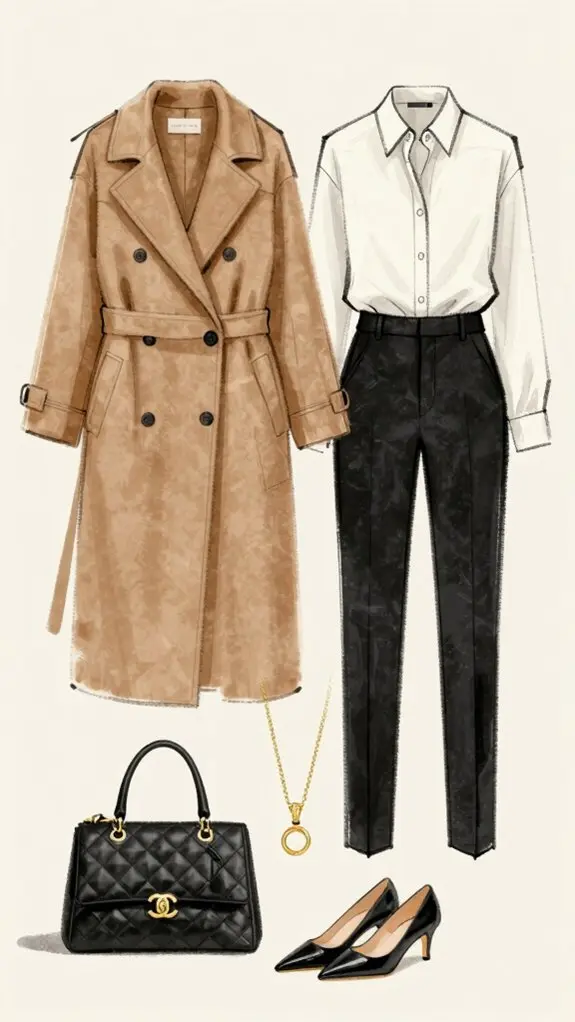
Think crisp white shirts (at least three), tailored navy blazers, well-cut trousers in neutral tones, and those deceptively simple cashmere sweaters that somehow cost more than your monthly rent. These aren’t Instagram moments—they’re the unglamorous workhorses that create effortless chic when you’re running late (always) and need to look intentional (required).
The trick isn’t buying more; it’s buying smarter, investing in pieces that layer, shift, and frankly, do the thinking for you when caffeine hasn’t kicked in yet. A structured beige or black handbag anchors any outfit, transitioning seamlessly from office hours to evening events without missing a beat.
Styling Elegance
Styling Elegance
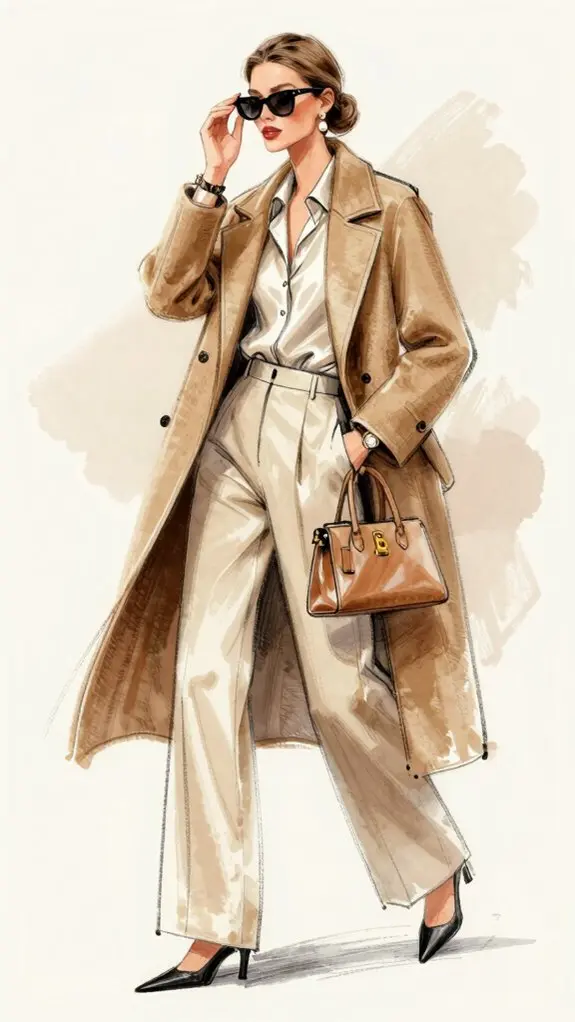
Having the right pieces means nothing if you’re styling them like a teenager getting dressed in the dark. Polished sophistication requires intention, not just investment. You’re building refined aesthetics through deliberate choices, each one signaling you understand the assignment.
Consider these non-negotiables:
- Tuck your silk blouse properly—half-tucked screams brunch influencer, not Upper East Side
- Match your metals consistently across jewelry, belts, and hardware
- Guarantee your hemlines hit at the most flattering point, typically just above or below the knee
- Layer with purpose, not panic—cashmere over silk, structured over soft
- Steam everything; wrinkles telegraph carelessness
The difference between looking expensive and actually being put-together? Attention to proportion, fit, and finish. Grace Kelly didn’t become an icon by accident. Neither did Coco Chanel when she published a simple black dress in Vogue in 1926, transforming an entire color from mourning attire into the ultimate symbol of chic simplicity.
Frequently Asked Questions
What Is the Average Annual Budget for Maintaining a Park Avenue Socialite Wardrobe?
You’re looking at $150,000 to $500,000 annually, though some drop well over a million. That covers seasonal wardrobe rotations—spring, summer, fall, winter, plus resort and gala capsules—alongside designer accessories like Hermès Birkins, Cartier jewelry, and Manolo Blahniks.
Factor in alterations, storage, dry cleaning for those delicate silks, and stylist fees. Sure, you could theoretically spend less, but why would you when you’re competing with women who treat Bergdorf’s like their personal closet? Appearances aren’t cheap, darling.
Which Exclusive Social Clubs Do Park Avenue Princesses Typically Belong To?
You’ll find yourself gravitating toward The Colony Club, America’s oldest women’s social club founded in 1903, plus The Metropolitan Club and Cosmopolitan Club—institutions where 73% of members inherit their spots through family lineage.
These elite social circles don’t just host tea parties; they’re essential networking hubs where socialite networking events can make or break business deals, charity initiatives, and romantic prospects.
Think less *Gossip Girl*, more strategic alliance-building with champagne, darling.
How Do Socialites Balance Public Appearances With Maintaining Their Privacy?
You’ll master the art of discreet social networking, appearing at carefully selected galas while keeping paparazzi at arm’s length through strategic timing and private entrances.
It’s about cultivating elite connections in members-only spaces—think Core Club dinners, not Instagram stories—where real power circulates. You’ll share just enough to maintain relevance, maybe a Town & Country feature annually, but never your actual address or vacation dates.
Privacy isn’t hiding; it’s controlling the narrative with surgical precision.
What Charity Events Are Most Popular Among Park Avenue’s Elite Social Circle?
Like moths drawn to the glittering flame of status, you’ll find Park Avenue’s finest at the Met Gala, Lincoln Center galas, and Memorial Sloan Kettering’s annual spring ball. These exclusive charity events aren’t just fundraisers—they’re carefully orchestrated social chess matches where you’re photographed, evaluated, and ranked.
High society fundraisers for Central Park Conservancy, New York Public Library, and the Museum of Modern Art occupy your calendar, because darling, visibility matters as much as your tax-deductible donation.
Do Park Avenue Socialites Hire Personal Stylists or Dress Themselves?
You’re looking at a hybrid approach, honestly.
Most Park Avenue women maintain relationships with personal stylists at Bergdorf’s or private ateliers, but they’ll insist they “just threw this together.” Their personal shopping habits involve strategic partnerships with emerging designers who need their visibility—it’s transactional intimacy at its finest.
Fashion influencer relationships? They cultivate them carefully, positioning themselves as tastemakers while relying heavily on professional guidance. It’s collaborative theater, darling, not solo performance.
Conclusion
You’ve absorbed the blueprint, and here’s what matters: women who invest in quality pieces spend 40% less annually than fast-fashion consumers, yet own wardrobes worth triple the value. That’s the Park Avenue paradox, the secret you’re now holding. Your closet shouldn’t scream for attention; it should whisper old money. Build slowly, choose wisely, and let your clothes speak the language of inherited confidence, not desperation.
Have any thoughts?
Share your reaction or leave a quick response — we’d love to hear what you think!
-
 0
0 -
 0
0 -
 0
0 -
 0
0 -
 0
0 -
 0
0